Material & loading
Material composition, particle size or part dimensions, loading container and batch size.
Battery materials / Battery-material heat treatment
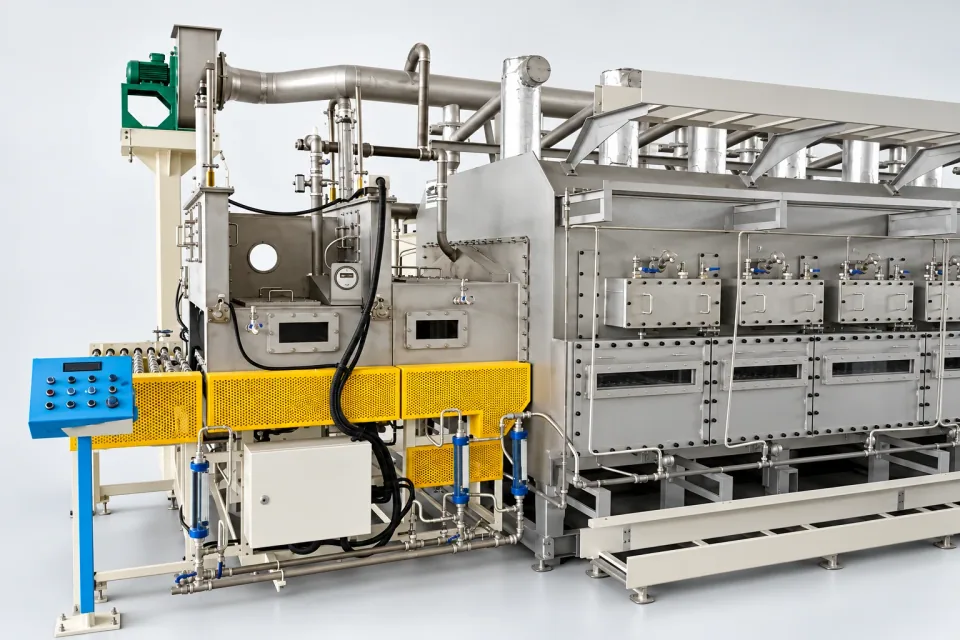
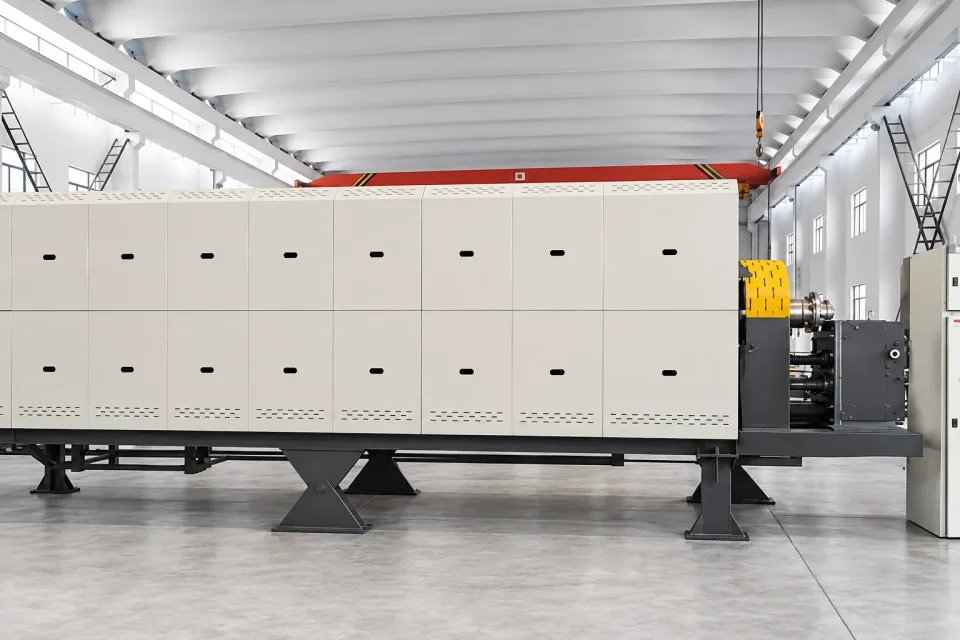
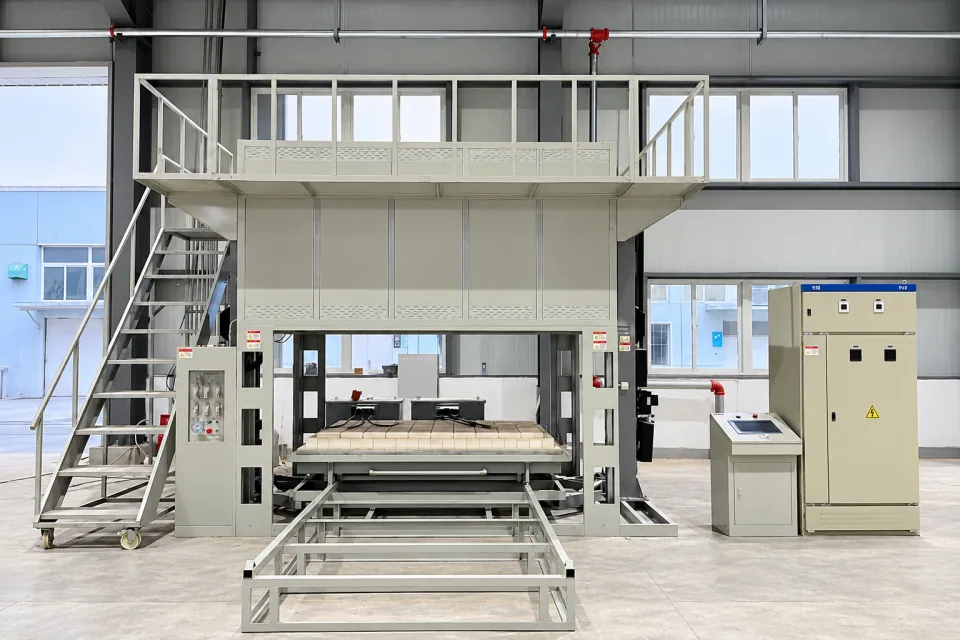
Thermal processing equipment for battery-material production. The material chemistry, loading method, atmosphere and production target define the furnace configuration.
Discuss your processCathode & anode material furnace
01 / 04Engineering
Company documentation lists applications in lithium iron phosphate, lithium cobalt oxide and lithium manganese oxide battery materials. Cathode and anode projects are assessed separately, as two different processes.
A project starts from the powder and the target temperature profile. Our engineering team then defines the transport principle, the zones, the atmosphere handling and the loading arrangement — battery materials are never treated as one single process.
There are three reasons, and each one rules out a template:
The one-line test: there is no standard battery material furnace, only a solution for a specific material.
Four groups of data are needed. Without any one of them the specification cannot be fixed.
Any configuration offered before these four are defined is guesswork.
Q: Can cathode and anode materials share one furnace? Technically the two have to be assessed separately. Beyond the difference in zones and atmosphere, there is cross-contamination: cathode residue is a contamination source for anode material. Unless a strict cleaning procedure exists, sharing is not advisable.
Q: Why can another supplier give us a specification sheet straight away? Because a generic sheet is filled in from a standard roller hearth template. This page does not do that, because a template would mislead the selection: equipment ordered from a generic sheet and used on battery material fails on yield, not on the machine.
Q: What is the sintering temperature for lithium iron phosphate? That number follows from the formulation, the particle size and the carbon coating process, and it has to come from your own trial data or your incoming material specification. We will not invent a figure — that would be irresponsible.
Battery materials
This product line is specified project by project. The engineering proposal defines the operating envelope and equipment dimensions.
Furnace temperature, atmosphere, loading and capacity are defined for the material. Request a dedicated technical proposal rather than applying a general roller-hearth specification to every chemistry.
Discuss your processZKR / Engineering
Share the information below with our international sales team. Our engineers will use it to assess a suitable furnace configuration.
Material composition, particle size or part dimensions, loading container and batch size.
Peak and operating temperatures, heating rate, hold time and cooling requirements.
Process gas, gas quality, exhaust requirements and available electrical supply.
Target throughput, operating schedule, floor space and upstream/downstream equipment.
Images show supplied equipment configurations. The presentation image is retouched from the original; other images are original workshop records. Final equipment is defined by the agreed technical proposal.
Contact us
Share your material, temperature profile, atmosphere and target output. Our international sales team will coordinate the technical review with our engineers in Yixing.
Cathode & anode material furnace
* Required fields